
Leading Solutions For Fire Damage Restoration Projects
Equip yourself with high-performance products designed to tackle smoke, soot, and structural damage effectively.
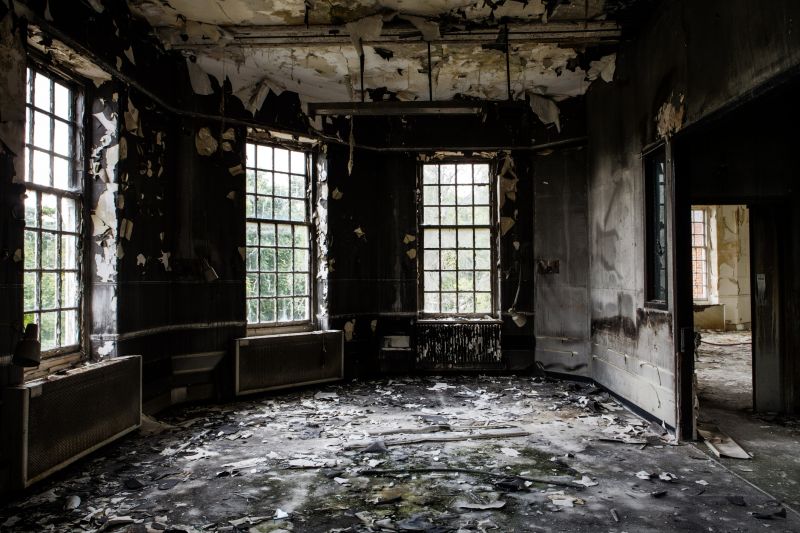 Fire restoration is a critical process that involves the careful removal of smoke, soot, and water damage, as well as the restoration of affected structures. In Colorado Springs, where fire incidents can impact residential and commercial properties, having the right products on hand is essential for effective cleanup and recovery. The process often begins with assessing the extent of damage and selecting appropriate cleaning agents, sealants, and equipment to mitigate ongoing deterioration. Properly chosen restoration products can help restore a property to its pre-fire condition while minimizing long-term damage.
Top Overall Option
Multi-Purpose Fire Damage Restoration Kit
A comprehensive kit that includes cleaning solutions, odor neutralizers, sealants, and protective gear designed for versatile application in fire restoration projects. It offers a practical solution for both professional restorers and DIY enthusiasts seeking a complete set of essential products.
Types of Products For Fire Restorations
Smoke and Soot Cleaners
Specialized solutions formulated to break down and remove smoke residues from various surfaces.
Odor Neutralizers
Products designed to eliminate persistent smoke odors from indoor environments.
Water Damage Restorers
Dehumidifiers and moisture absorbers used to dry out water-affected areas post-fire.
Surface Sealants
Protective coatings that seal porous surfaces to prevent future staining or damage.
Industrial Vacuums
Heavy-duty vacuums capable of removing soot, ash, and debris from large areas.
Protective Gear
Respirators, gloves, and coveralls to ensure safety during cleanup and restoration.
Fire-Resistant Paints
Specialized paints that provide additional fire resistance to surfaces.
Electrostatic Sprayers
Tools for evenly applying cleaning solutions and disinfectants over large surfaces.
Thermal Imaging Cameras
Devices used to detect hidden hot spots or areas of residual damage.
Structural Repair Materials
Patching compounds, drywall, and framing materials for rebuilding efforts.
Fire Extinguishers
Essential safety equipment for preventing further fire incidents during restoration.
Air Purifiers
Devices that improve indoor air quality by removing smoke particles and odors.
Cleaning Cloths and Sponges
Absorbent and durable tools for manual cleaning of surfaces.
Deodorizing Gels
Absorptive gels that trap and neutralize odors over time.
Fire Damage Assessment Tools
Equipment like moisture meters and damage analyzers for accurate evaluation.
Ventilation Fans
High-capacity fans that improve airflow and aid in drying and odor removal.
Popular Choices
Widely used products known for their ability to neutralize stubborn smoke smells.
Versatile cleaners suited for soot and grime removal across various surfaces.
Popular equipment for quick and efficient debris and soot extraction.
Effective in improving indoor air quality during and after cleanup.
Commonly used to protect surfaces from future damage and staining.
Trusted for their long-lasting odor neutralization properties.
Essential for safety during soot and ash removal tasks.
Popular for drying out water-damaged areas quickly.
Favored for their ability to evenly distribute cleaning agents.
Commonly used for assessing hidden damage and hot spots.
Popular among professionals for evaluating the extent of damage.
Frequently chosen for structural repairs following initial cleanup.
Widely used to facilitate drying and odor removal.
Essential manual tools for detailed cleaning tasks.
Restoration efforts typically include the use of specialized cleaning solutions designed to break down soot and smoke residues. These solutions are often paired with equipment like industrial vacuums and scrubbers that can handle large-scale cleanup. Additionally, odor removal products play a crucial role in eliminating persistent smoke smells, which can linger long after the visible damage has been addressed. For structural repairs, sealants and coatings are used to protect surfaces and prevent future issues. Understanding the variety of products available and their specific applications is vital for anyone involved in fire restoration projects.
Choosing the right products requires consideration of the materials affected, the severity of the damage, and the safety requirements of the workspace. Professional-grade products are generally recommended to ensure effective results and safety compliance. Whether dealing with soot-stained walls, water-damaged furniture, or lingering odors, having a comprehensive set of restoration tools and supplies can streamline the recovery process. Proper training and knowledge about each product's purpose can further enhance the efficiency and success of fire restoration efforts in Colorado Springs, CO.
Key Buying Considerations
- Identify the extent of fire and smoke damage to determine appropriate products.
- Select products compatible with the surfaces and materials affected.
- Prioritize safety features, such as non-toxic formulations and protective gear.
- Consider the size of the area to be restored when choosing equipment like vacuums and fans.
- Evaluate the effectiveness of odor neutralizers for persistent smoke smells.
- Ensure products are suitable for use in enclosed or occupied spaces if necessary.
- Check for compatibility with existing cleaning protocols and procedures.
- Assess the drying capabilities of moisture removal products to prevent mold growth.
- Review product safety data sheets and certifications for compliance and safety.
- Opt for versatile products that can be used across different restoration tasks.
- Determine the ease of use and setup of equipment, especially for DIY applications.
- Consider the availability of replacement parts and ongoing support.
- Evaluate the environmental conditions of the property to select appropriate fire-resistant coatings.
- Look into the storage requirements and shelf life of cleaning solutions and supplies.
- Budget for a comprehensive set of products to cover all phases of restoration.