
What to Expect During the Fire Restoration Process
Fire restoration professionals help restore your property by cleaning smoke damage, removing debris, repairing structural damage, and ensuring safety through expert services.
Understanding what to expect during the fire restoration process can help property owners feel more prepared and confident when facing the aftermath of a fire. This process typically involves several key stages, including assessment, cleanup, and repairs, each handled by experienced service providers who specialize in fire damage restoration. For those in the area, knowing the general steps involved can clarify what will happen and reassure them that skilled local contractors are ready to help restore safety and comfort to their property.
Property owners often seek information about fire restoration to better navigate the recovery journey and make informed decisions about repairs and cleanup. Local service providers are equipped to handle the complexities of fire damage, providing services that address smoke and soot removal, structural repairs, and odor elimination. Continuing to explore what the fire restoration process entails can help individuals understand how these professionals work to bring properties back to their pre-fire condition, ensuring that the restoration is thorough and effective.
- Structural assessment - when fire damage has compromised the integrity of a building, local contractors evaluate the extent of damage to determine necessary repairs.
- Soot and smoke cleanup - after a fire, service providers focus on removing soot and smoke residues to improve air quality and prevent further damage.
- Water extraction and drying - in cases where firefighting efforts involved water, local pros handle moisture removal to prevent mold growth.
- Content restoration - when personal belongings are affected by fire or smoke, specialists work to clean, repair, or restore items as needed.
- Structural repairs and reconstruction - once damage assessment is complete, contractors handle repairs to restore the building’s safety and functionality.
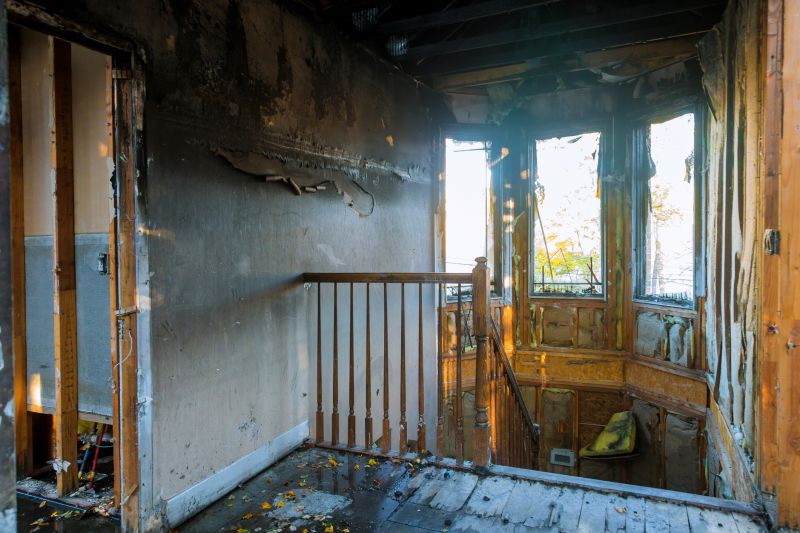
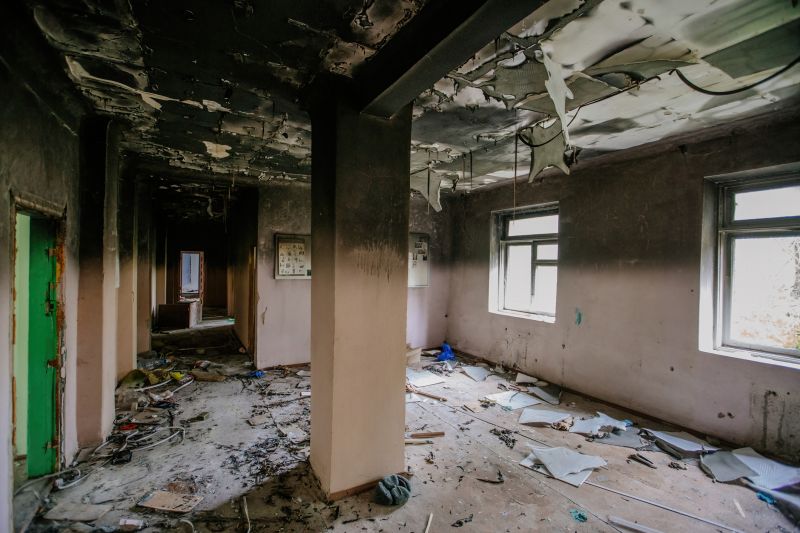
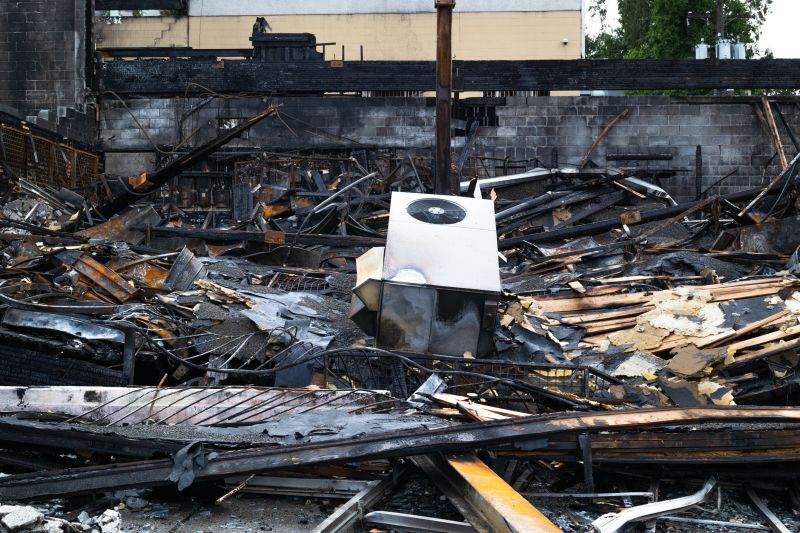
Understanding what to expect during the fire restoration process is essential for homeowners facing the aftermath of a fire. When searching this topic, many people are looking for a clear overview of the steps involved in restoring their property, from initial assessment to final cleanup. They want to know how the process unfolds, what kinds of damages are addressed, and how professionals handle the complex tasks of cleaning and repairing fire and smoke damage. This knowledge helps homeowners prepare for what lies ahead and makes it easier to coordinate with local contractors who specialize in fire restoration services.
Fire restoration is often related to problems such as smoke residue, soot deposits, structural damage, and lingering odors. Property owners may have experienced damage to walls, ceilings, floors, and personal belongings. The process typically involves a detailed assessment of the affected areas, removal of damaged materials, cleaning of surfaces, and repairs to restore the property to its pre-fire condition. Many plans also include odor removal and air quality improvement measures. Local service providers who focus on fire restoration bring the necessary expertise to evaluate the scope of damage and implement effective solutions that address both visible and hidden issues.
Properties that usually come up in fire restoration projects include residential homes, apartment complexes, and small commercial buildings. Homes are often the most common, as fires can damage kitchens, living spaces, or entire structures. Commercial properties such as offices, retail stores, and warehouses may also require fire restoration services when a fire impacts their facilities. The extent of damage varies depending on the size of the fire, the materials involved, and the duration of the incident. Regardless of the property type, local fire restoration contractors are equipped to handle the unique challenges presented by each project, ensuring that the space is thoroughly cleaned, repaired, and made safe for occupancy again.
Throughout the fire restoration process, homeowners can expect a series of coordinated steps carried out by local contractors. Initially, a comprehensive assessment identifies the scope of damage, followed by the removal of debris and damaged materials. Cleaning involves specialized techniques to eliminate smoke and soot residues from surfaces, often requiring advanced equipment and cleaning agents. Repairs and reconstruction then restore structural integrity and aesthetics, while odor removal treatments ensure the space smells fresh and clean. Throughout each phase, communication with local pros helps homeowners understand what is happening, what to prepare for, and how the property is being brought back to a safe, livable condition.
Smoke and Soot Cleanup - professionals skilled in removing smoke residues and odors are essential during fire restoration to ensure a safe and clean environment.
Structural Damage Assessment - local contractors evaluate the extent of structural damage caused by fire, helping guide the restoration process.
Content Cleaning and Restoration - specialists who can restore or safely dispose of damaged personal belongings are often involved in fire recovery projects.
Water Damage Restoration - since fire suppression often involves water, experts in water removal and drying are integral to the overall restoration effort.
Mold Prevention and Remediation - after fire incidents, mold prevention services are important to address moisture issues and prevent future damage.
Rebuilding and Repairs - skilled carpenters and construction pros handle the reconstruction of damaged areas to restore the property’s integrity.
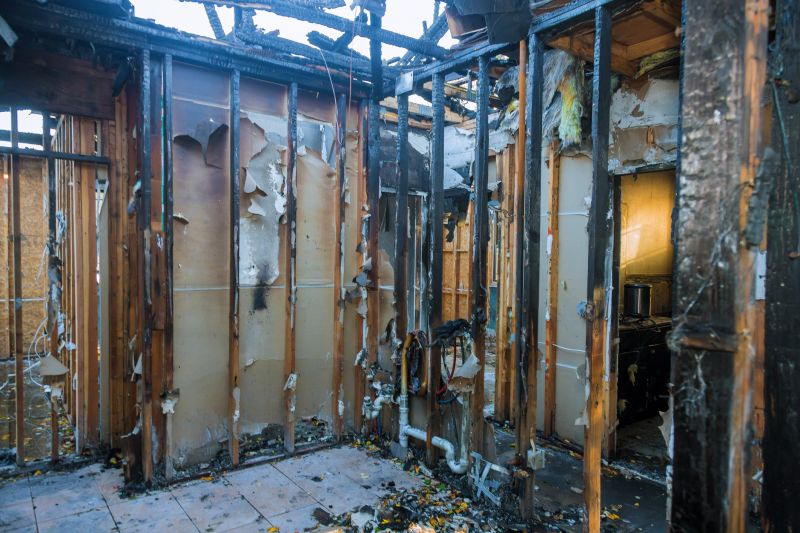
When comparing fire restoration service providers, it is important to consider their experience with similar projects. Local contractors who have handled fire damage restoration in homes comparable to yours are more likely to understand the specific challenges involved in the process. An experienced service provider can better anticipate potential issues and provide insights into what to expect during the fire restoration process, helping to ensure that the work proceeds smoothly and efficiently.
Clear, written expectations are essential when evaluating potential service providers. Reputable local contractors should be able to provide detailed descriptions of the scope of work, the steps involved, and the approximate outcomes. Having this information in writing helps homeowners understand what services will be performed, what the process entails, and what results are realistic. This transparency can also serve as a basis for addressing any questions or concerns that may arise during the project.
Good communication and reputable references are key indicators of a dependable fire restoration service provider. Service providers who are responsive and willing to share references from past clients demonstrate a commitment to quality and transparency. Speaking with previous customers can offer insights into the contractor’s professionalism, reliability, and how effectively they managed expectations throughout the fire restoration process. Choosing a local contractor with a solid reputation and clear communication can help ensure the restoration work meets the homeowner’s needs and is completed with confidence.
Property owners often search for what to expect during the fire restoration process when they are planning practical projects around their homes and businesses. Local pros provide Fire Restoration services for everyday jobs and straightforward project options.
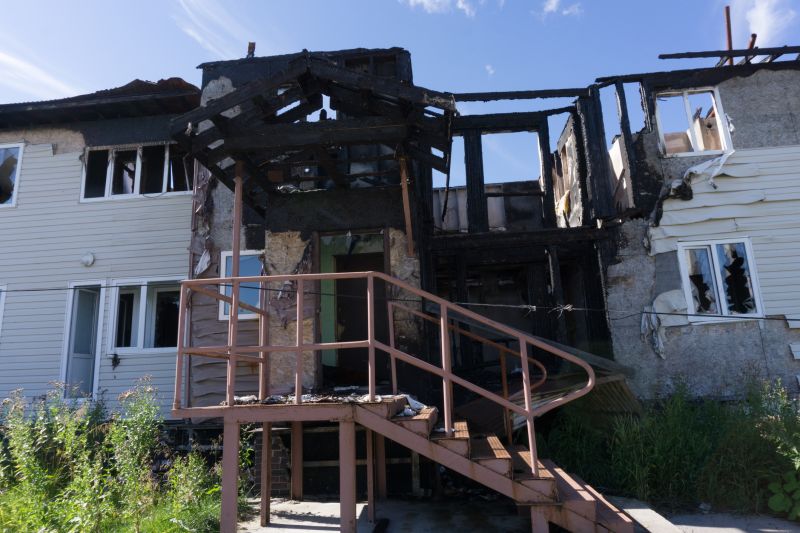
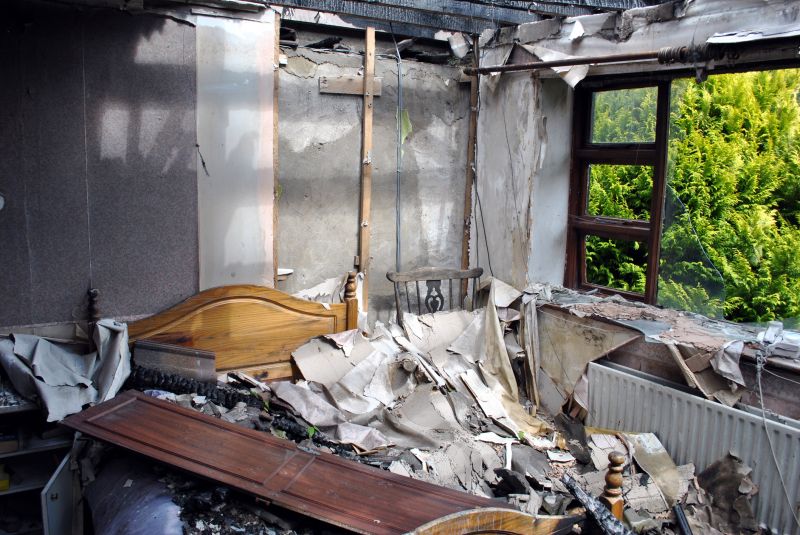
During the fire restoration process, property owners can expect a series of standard steps that aim to restore safety and appearance to their homes or businesses. After the initial assessment, local contractors typically begin by securing the property to prevent further damage, which may involve tarping or boarding up affected areas. Following this, professionals usually proceed with removing debris and damaged materials, such as charred furniture or compromised building components. This phase helps create a safer environment for subsequent cleaning and repairs, and property owners often find that understanding these routine procedures can ease concerns about the overall process.
As the restoration continues, local service providers generally focus on cleaning and deodorizing to eliminate smoke odors and soot residues. This may involve specialized techniques like air filtration or ozone treatments. Once cleaning is complete, the process often shifts toward repairs and reconstruction, including replacing damaged drywall, flooring, or fixtures. Property owners searching for fire restoration services might consider these typical stages to better understand what to expect during the process, ensuring they are informed and prepared for each step as local contractors work to restore their property.
What is the initial step during the fire restoration process? Local contractors typically begin with an assessment of the fire damage, evaluating affected areas and determining the necessary cleaning and removal procedures to restore the property.
How do service providers handle smoke and soot cleanup? Fire restoration professionals use specialized equipment and techniques to effectively remove smoke and soot residues from surfaces, ensuring the environment is safe and odor-free.
What kind of repairs are involved in fire restoration? After cleaning, local pros often perform repairs such as replacing damaged drywall, flooring, and other structural components to restore the property to its pre-fire condition.
Will the restoration process include deodorization? Yes, most fire restoration services include deodorization measures to eliminate lingering smoke odors from the property and improve indoor air quality.
What should be expected during the final stages of fire restoration? The final steps typically involve thorough cleaning, inspection, and sometimes minor repairs or touch-ups to ensure the property is fully restored and ready for occupancy.
Initial assessment and inspection - Local contractors will evaluate the extent of fire damage and identify affected areas to plan an effective restoration approach.
Content cleaning and deodorization - Pros use specialized techniques to remove soot, smoke residues, and odors from surfaces and materials in the property.
Structural repairs and reconstruction - Restoration services often include fixing or replacing damaged framing, drywall, and other structural components to restore safety.
Final cleaning and restoration - The process concludes with thorough cleaning and finishing touches to help properties return to their pre-fire condition.
If you are thinking about what to expect during the fire restoration process for a property, this guide is meant to help you understand this topic, the typical project types, and how different options might fit your plans.
When you are ready, you can use the quote form on this page to share a few details about your project. From there, local pros can review the basics and follow up with options that match what you have in mind.