
Fire Restoration Services
The best time for fire restorations is immediately after the fire is extinguished. Quick response minimizes smoke and soot damage and prevents secondary issues such as mold growth.
Restorations are typically more manageable during dry, mild seasons. Extreme weather conditions, like winter or heavy rain, can delay or complicate restoration efforts.
Assessing the property's condition helps determine the optimal timing. Structural repairs and cleaning are prioritized based on the extent of fire and smoke damage.
Initiating restoration soon after filing an insurance claim can streamline the process and reduce delays in restoring the property.
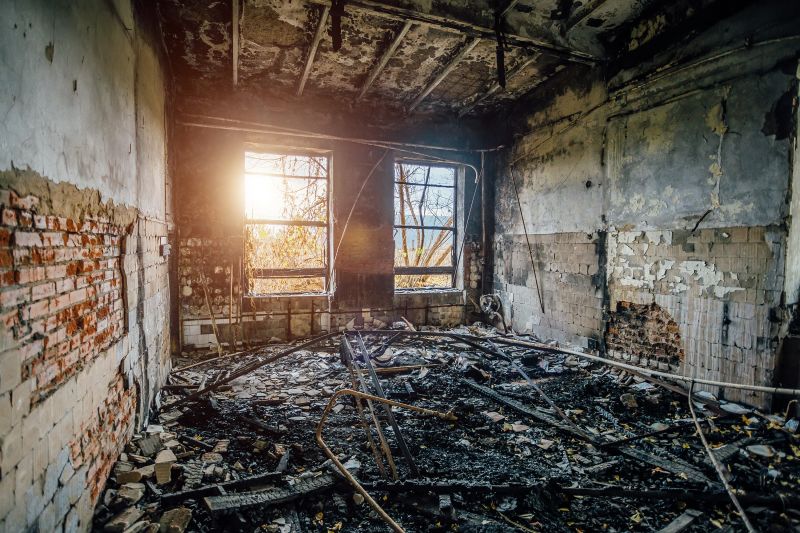
Initial evaluation of fire damage helps determine the best timing for restoration.
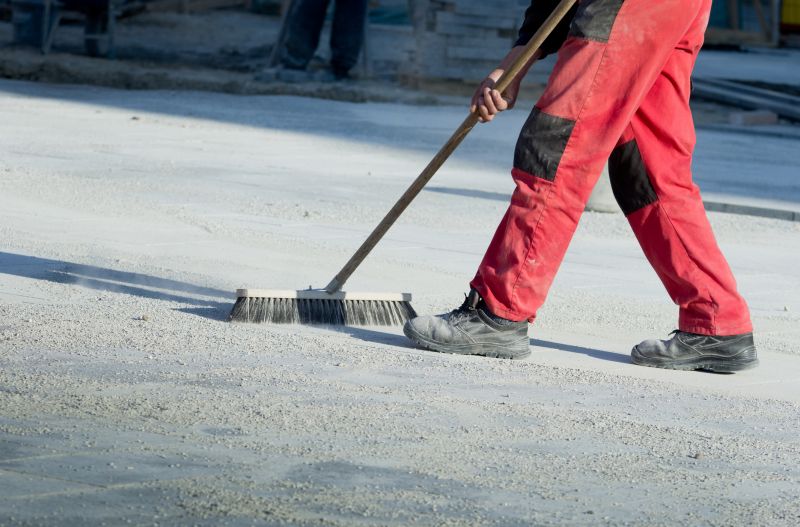
Removing debris promptly reduces health risks and prepares the site for repairs.
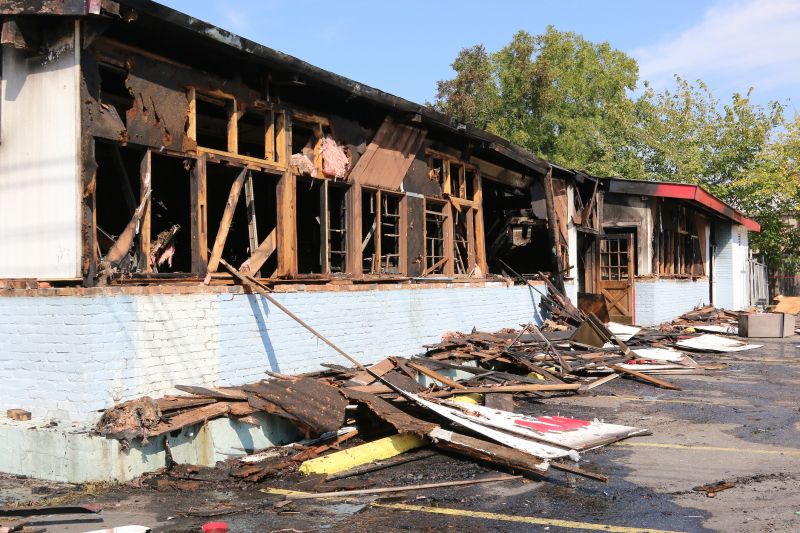
Early structural repairs can prevent further deterioration and safety hazards.

Ways to make Fire Restorations work in tight or awkward layouts.
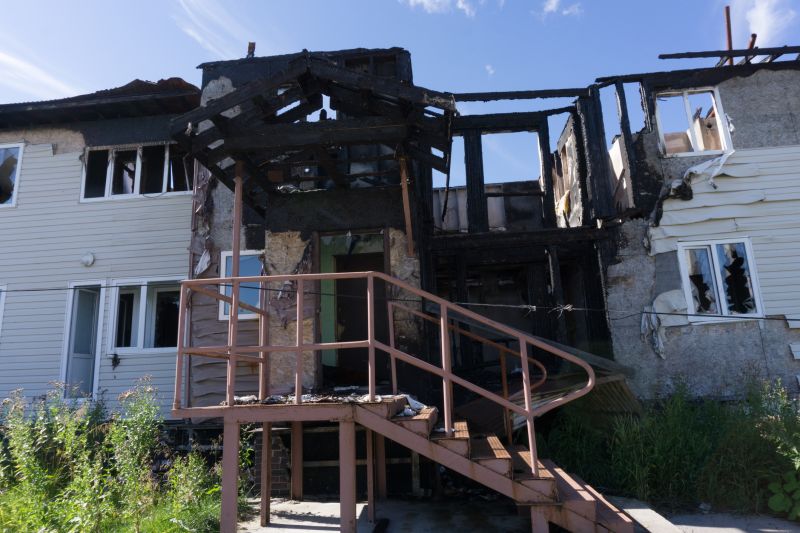
Popular materials for Fire Restorations and why they hold up over time.
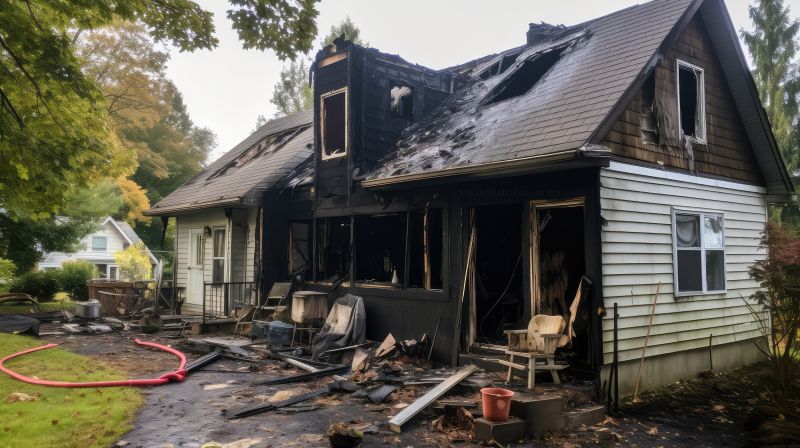
Simple add-ons that improve Fire Restorations without blowing the budget.
| Factor | Impact on Timing |
|---|---|
| Fire Severity | More severe fires require immediate restoration |
| Weather Conditions | Dry and mild weather facilitates faster work |
| Property Condition | Damaged structures may need urgent stabilization |
| Insurance Process | Early contact can expedite restoration scheduling |
| Seasonal Factors | Spring and fall are generally optimal |
Fire restorations involve a comprehensive process that includes debris removal, smoke and soot cleaning, structural repairs, and odor elimination. The goal is to restore the property to a safe and habitable condition, which requires careful planning and timely execution. Statistics indicate that early intervention can reduce restoration costs by up to 30% and significantly decrease health risks associated with lingering smoke and toxins.
Timely fire restoration not only minimizes damage but also helps preserve property value. It involves specialized techniques such as thermal fogging, ozone treatments, and advanced cleaning methods to remove smoke odors and residues. Fire damage can affect structural integrity, electrical systems, and personal belongings, making prompt action essential for comprehensive recovery.
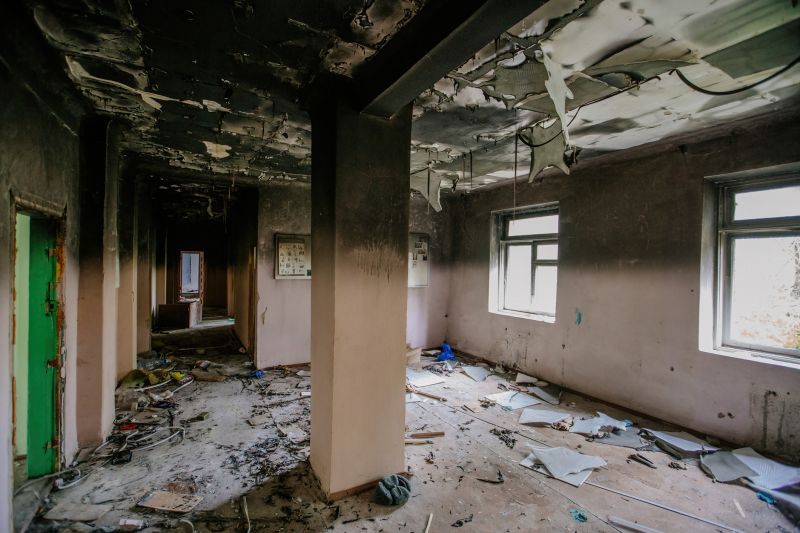
Effective removal of smoke residues is crucial for safety and odor control.
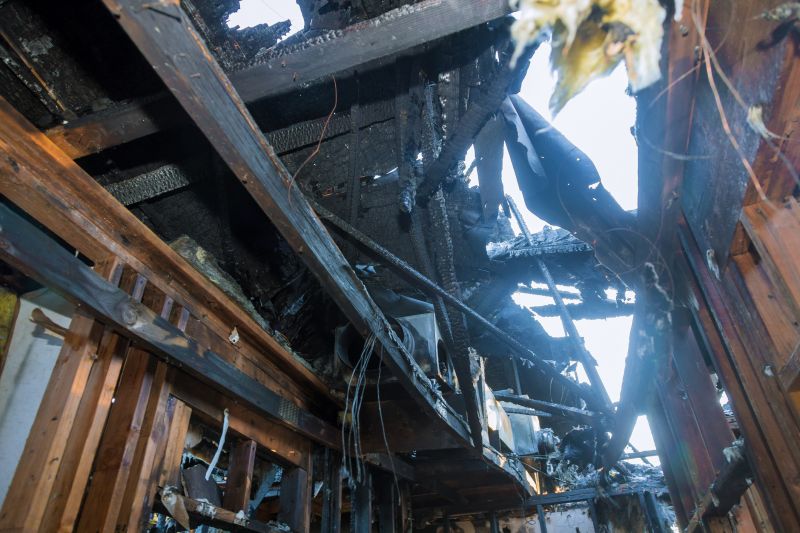
Restoring structural elements ensures safety and stability.
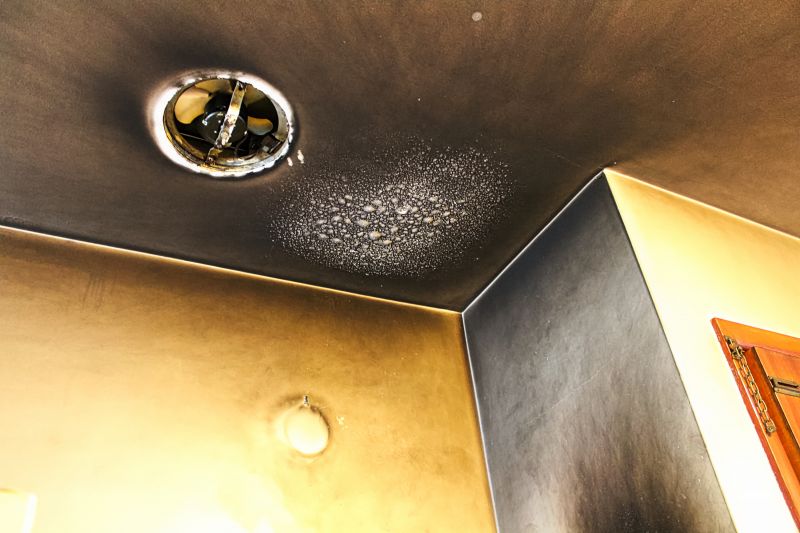
Advanced methods eliminate persistent smoke odors.
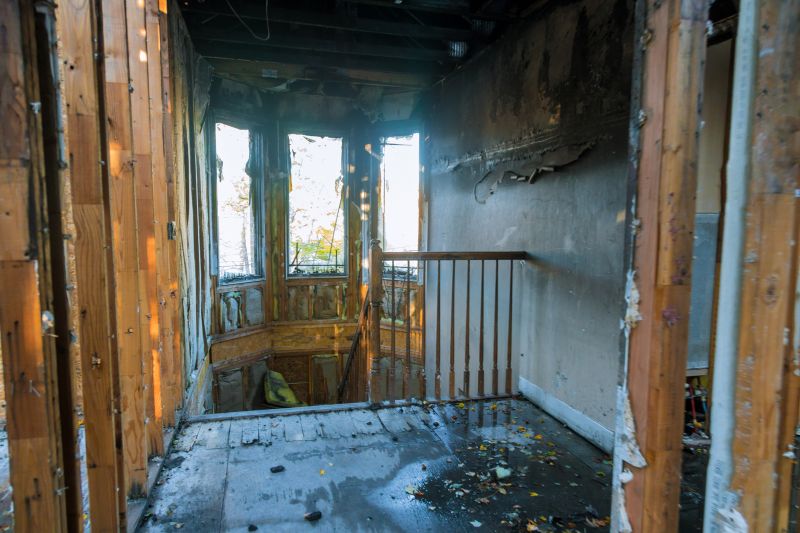
Ensures all damage is addressed and the property is safe.
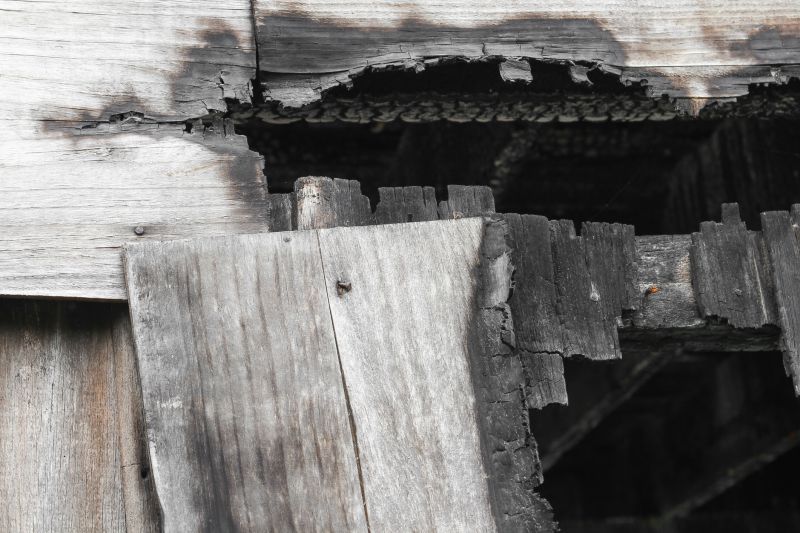
High-end options that actually feel worth it for Fire Restorations.
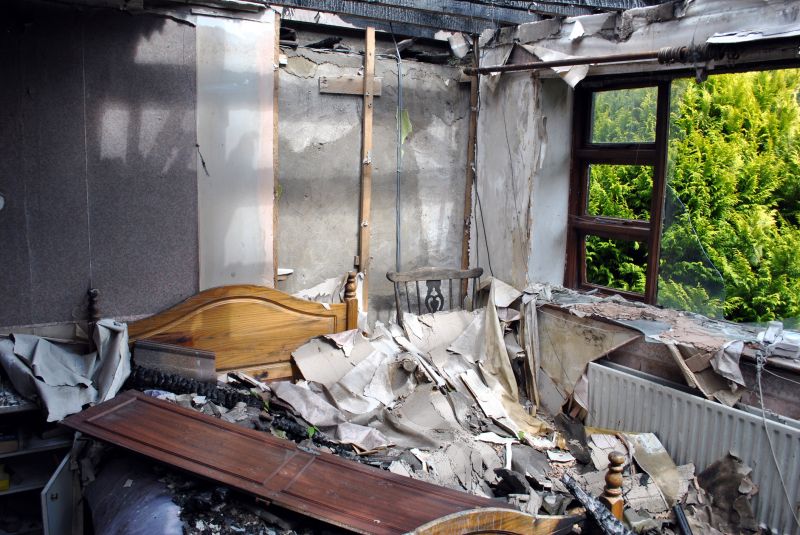
Finishes and colors that play nicely with Fire Restorations.
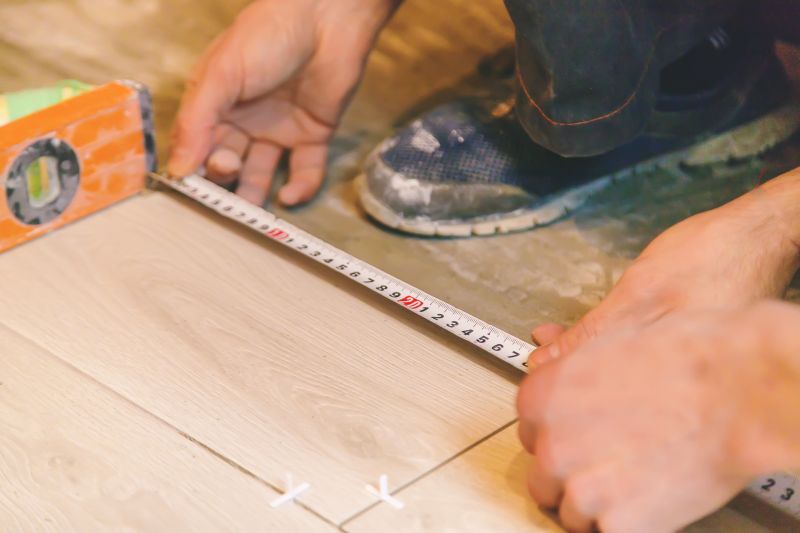
Little measurements that prevent headaches on Fire Restorations day.
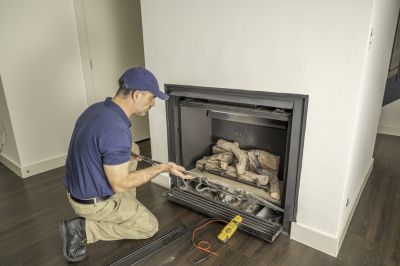
A 60-second routine that keeps Fire Restorations looking new.
Interested property owners or managers in fire restoration services are encouraged to contact for more information. Prompt action can significantly impact the effectiveness and cost of restoration efforts, helping to restore safety and comfort efficiently.